

Dry Mixed Recycling 101: Maximising Efficiency in Your Business Waste Management
Learn how to maximise efficiency with your dry mixed recycling. Discover tips to prevent contamination and enhance sustainability efforts.
Dry Mixed Recycling collection makes it easy to recycle more of your everyday business waste through one simple service. Recyclable materials can be placed together in a single container, which is collected and efficiently sorted.
With flexible collection options available, you can choose a solution that fits your operational needs while maximising recycling rates and reducing waste sent to landfill.
Enter your postcode to get started
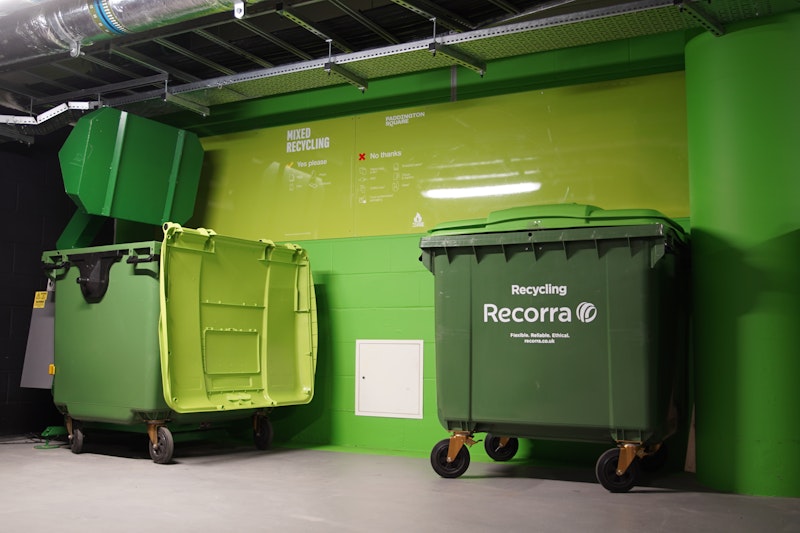
We offer a range of wheeled bin sizes to hold your business waste and recycling ready for collection.
From £7.55 per bin collection
Our colour-coded prepaid kerbside sacks are supplied by the roll. The cost of collection is included in the price of the sack.
From £1.35 per sack
For businesses generating larger volumes of waste, we can offer both portable and static compactors designed to efficiently manage and streamline your waste disposal.
Contact Us










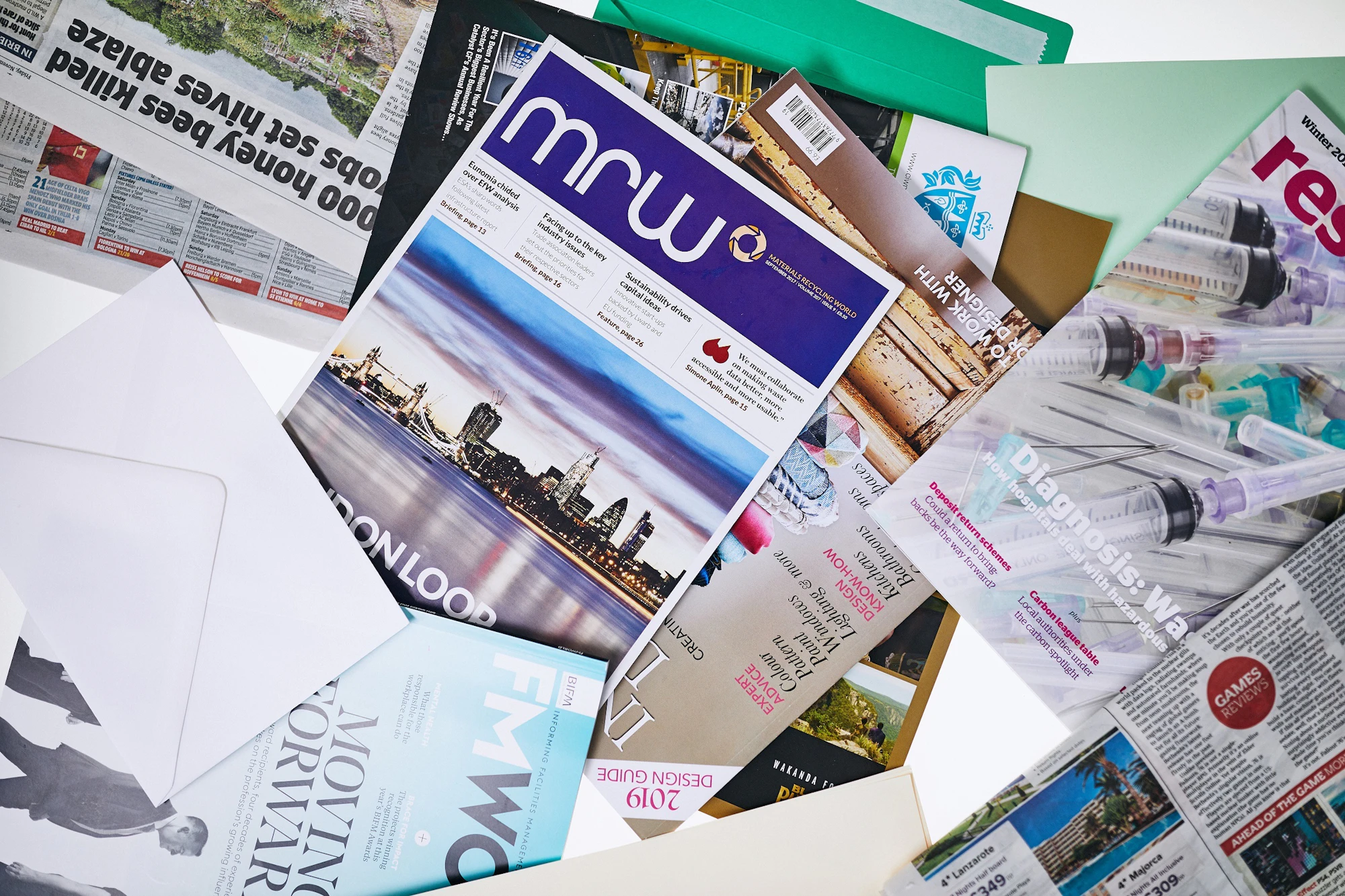
Your dry mixed recycling collection is for clean, dry recyclable materials that can be sorted together at a Materials Recovery Facility (MRF). Items that are contaminated with food or liquid, or made from materials that can’t be mechanically separated, should not be placed in this bin as they can spoil the recycling process and reduce the quality of recovered materials.
* Under the 2025 Simpler Recycling laws, paper and cardboard should be collected separately where possible. Recorra can provide separate collections, but if this isn’t practical, these materials will be sorted from your dry mixed recycling at our MRF.
Order
Order your kerbside sack or wheeled bin ready for collections.
Collection
Your Dry Mixed Recycling collection will be taken from your workplace or business and transported to our Purfleet Materials Recovery Facility, ready for sorting.
Processing
Once your collection arrives at our Materials Recovery Facility, the materials undergo a sorting process where each item is separated into its own stream and prepared to be sent to our service partners for final processing into recycled materials.
Purchase
Our service partners then transform the separated waste into new products, such as plastic bottles, paper, and cardboard, ready to be purchased and used again.
Simpler Recycling legislation aims to create consistency in the waste and recycling materials collected from households and businesses. This legislation came into force for all businesses with 10 or more employees from 31st March 2025.
Under this new legislation businesses must:
Dry Mixed Recycling (DMR) is a recycling stream that allows multiple clean, dry recyclable materials to be collected in one bin rather than separated at the point of disposal. It typically includes items such as paper, cardboard, plastic containers, metal cans, and cartons, provided they are free from food, liquids, and contamination. Dry Mixed Recycling collections are taken to Recorra’s Materials Recovery Facility (MRF), where they are sorted and processed into individual material streams for recycling. Dry Mixed Recycling makes recycling simpler and more convenient, especially for businesses, while helping to reduce waste sent to landfill.
No, glass should not be placed in your dry mixed recycling collection. Items like bottles and jars are collected separately because glass can contaminate other recyclables, pose a safety risk to drivers, and damage sorting equipment. To be recycled properly, glass should be disposed of through Recorra’s dedicated glass recycling service rather than in the dry mixed recycling bin.
Dry Mixed Recycling includes common clean and dry recyclable materials that can be placed together in one bin and sorted later at a recycling facility. This typically covers paper and cardboard, plastic bottles, tubs and trays, metal food and drink cans, and cartons. Items such as food waste, glass, flexible plastics, tissues or heavily soiled packaging are not classed as dry mixed recycling and should be disposed of separately.
Yes, Mixed recycling is sorted after collection. Once your Dry Mixed Recycling collection reaches a Materials Recovery Facility (MRF), all the materials are separated into individual streams using a combination of manual and automated processes. Paper, cardboard, plastics, and metals are then compacted and prepared to be sent to specialist recycling partners, where they are transformed into new products ready for reuse.
Setting up a Dry Mixed Recycling collection with Recorra is quick and straightforward. Use our online quoting tool to specify your requirements, including collection type and frequency, or contact us directly to discuss a more bespoke solution tailored to your business needs.
We provide the right Dry Mixed Recycling (dmr) containers for your premises, complete with colour coding to help staff separate clean, dry recyclables such as plastics, metals, paper, and cardboard. Our licensed team will collect your recycling on a schedule that suits your business and ensure it is responsibly processed, helping you stay compliant and environmentally responsible.
We offer a range of options to suit your business’s needs, with the cost of Dry Mixed Recycling collections varying by collection type and frequency. Wheeled bin collections start from £6.30 per bin collection, while colour-coded prepaid kerbside sacks start from £1.25 per sack, with collection included.
For larger volumes, portable or static compactors are available, with pricing provided on request. Use our online quoting tool to receive a personalised and accurate quote for our services today.
A waste management company is responsible for collecting, transporting, processing, recycling, and disposing of waste materials in a safe and environmentally responsible way. At Recorra, we go beyond waste collection. We deliver innovative recycling solutions, transparent reporting, and expert guidance to help businesses reduce their environmental impact and achieve their sustainability goals. Our reliable, forward-thinking approach makes us the smart choice for organisations that care about their future and the planet.

Reliable Service
Over 6,000 businesses throughout London, Sussex and Kent trust us to handle their business waste management needs.
Local Expertise
With depots in London, Brighton, and Hastings, over 90% of our customers fall within a 50-mile radius of our operational hubs.

Personal Support
No call centres, long wait times, or chasing - guaranteed. Just real people standing by to help and make sure your service runs smoothly.
Smart Reporting
Our online portal gives our clients accurate data on waste outputs, with 24/7 access to waste statistics, billing, and services, all at the click of a button.
Sustainability First
From low-carbon collections to innovative reuse and recycling technology, we deliver real recycling solutions that help organisations cut carbon and champion the circular economy.

Award Winning
More than 30 industry awards reflect our commitment to sustainable business waste management and recycling.

Dry Mixed Recycling Collection Near You
Join the recycling revolution
Enter your postcode to get started
Learn how to maximise efficiency with your dry mixed recycling. Discover tips to prevent contamination and enhance sustainability efforts.
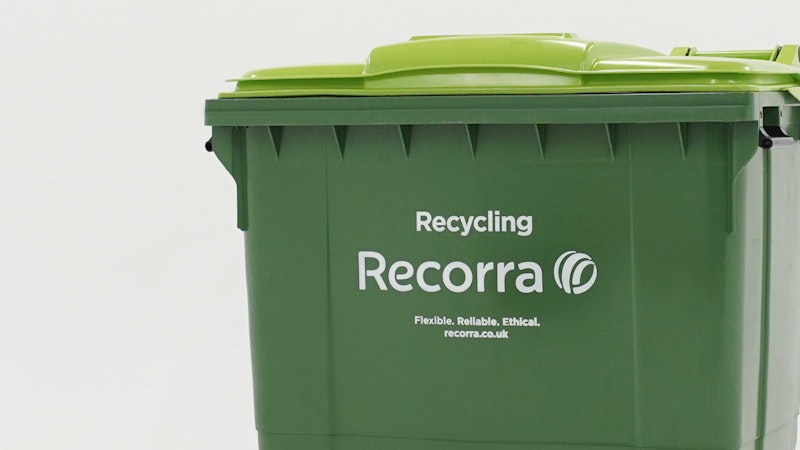
A complete 2025 guide to Dry Mixed Recycling (DMR) for UK businesses. Learn how Recorra helps you meet Simpler Recycling laws, cut waste costs, and improve sustainability.
In the next blog post in our series on UK legislation changes, we will break down the government’s new ‘Simpler Recycling’ initiative, where Prime Minister Rishi Sunak infamously scrapped the ‘seven bins’ system for a more streamlined recycling process.
